
Bed Rail Safety Brochure
Bed Rail Safety Brochure - Most patients can be in bed safely without bed rails. • understand how to reduce the risks associated. • identify potential risks associated with bed rail use. In 2017, the us food & drug administration (fda) provided a national guidance brochure on bed rail use in hospitals, nursing homes, and home health care — yes, across the. • before using the bed rail, alternatives to bed rails were attempted but found not to meet the resident’s needs; “bed rails” are adjustable metal or rigid plastic bars that attach to the bed. Bed rails in hospitals, nursing homes and home health care—the facts. Made of metal or plastic bars, rails may be raised and. Bed rails, sometimes called side rails, are meant to help patients turn, pull themselves up or get out of bed. Bed rails and grab bars are in use only if: Heavy duty lift chaircanes, rollatorsincontinence/free samplesnebulizer, braces, canes Follow the fda guidelines for bed rail safety, assess whether the device is appropriate for the individual, and educate the individual on the risks versus benefits. Bed rails are the most common intervention designed to prevent patients falling out of bed; A guide to bed safety: • assessment of the risks of entrapment. Most patients can be in bed safely without bed rails. This brochure discusses the benefits and risks of bed rails, as. Never use bed rails for restraint purposes where “restraint” means preventing or hindering the patient within the bed from exiting the bed as they wish. Potential risks of bed rails may include: We will work with you to find. • understand best practice in using bed rails safely. Bed rails are the most common intervention designed to prevent patients falling out of bed; • before using the bed rail, alternatives to bed rails were attempted but found not to meet the resident’s needs; Use beds that can be raised and lowered close to the floor to accommodate both patient. We will work with you to find. This brochure discusses the benefits and risks of bed rails, as. Most patients can be in bed safely without bed rails. Does the bed occupant’s physical size and behaviour present a risk? However, their effectiveness is uncertain and bed rail entrapment can also result in injuries. Most patients can be in bed safely without bed rails. Use beds that can be raised and lowered close to the floor to accommodate both patient and health care worker. A guide to bed safety: Follow the fda guidelines for bed rail safety, assess whether the device is appropriate for the individual, and educate the individual on the risks versus. Bed rails, sometimes called side rails, are meant to help patients turn, pull themselves up or get out of bed. Use beds that can be raised and lowered close to the floor to accommodate both patient and health care worker. Potential risks of bed rails may include: Talk with your care team to learn about the risks of bed side. Does the bed occupant’s physical size and behaviour present a risk? Made of metal or plastic bars, rails may be raised and. Bed rails are the most common intervention designed to prevent patients falling out of bed; • identify potential risks associated with bed rail use. A guide to bed safety: Use beds that can be raised and lowered close to the floor to accommodate both patient and health care worker. • understand how to reduce the risks associated. Heavy duty lift chaircanes, rollatorsincontinence/free samplesnebulizer, braces, canes However, their effectiveness is uncertain and bed rail entrapment can also result in injuries. Does the bed occupant’s physical size and behaviour present a. Follow the fda guidelines for bed rail safety, assess whether the device is appropriate for the individual, and educate the individual on the risks versus benefits. Heavy duty lift chaircanes, rollatorsincontinence/free samplesnebulizer, braces, canes If the bed occupant is likely to fall from their bed, are bed rails an appropriate solution? Most patients can be in bed safely without bed. Most patients can be in bed safely without bed rails. Does the bed occupant’s physical size and behaviour present a risk? Use beds that can be raised and lowered close to the floor to accommodate both patient and health care worker. Bed rails, sometimes called side rails, are meant to help patients turn, pull themselves up or get out of. Potential risks of bed rails may include: We will work with you to find. • understand how to reduce the risks associated. This webpage contains information about the risks of adult portable bed rails, recommendations for their safe use, alternatives to bed rails, and how to report a problem with medical devices. Is the bed rail suitable for. Is the bed rail suitable for. If the bed occupant is likely to fall from their bed, are bed rails an appropriate solution? This brochure discusses the benefits and risks of bed rails, as. • understand best practice in using bed rails safely. Talk with your care team to learn about the risks of bed side rails. Bed rails are the most common intervention designed to prevent patients falling out of bed; Potential risks of bed rails may include: Does the bed occupant’s physical size and behaviour present a risk? Most patients can be in bed safely without bed rails. Bed rails and grab bars are in use only if: Made of metal or plastic bars, rails may be raised and. “bed rails” are adjustable metal or rigid plastic bars that attach to the bed. With its superior safety guardrail and sturdy standing assistance helping transfer out of bed, everyone can sleep peacefully knowing they or their loved one is protected through the night. Use beds that can be raised and lowered close to the floor to accommodate both patient and health care worker. Strangling, suffocating, bodily injury or death when patients or part of their body are caught between rails or between the bed rails and mattress. Bed rail safety learning outcomes. Bed safety it is common to have brochure questions or concerns about giving up bed side rails. Use of rails as a means of restraint. This webpage contains information about the risks of adult portable bed rails, recommendations for their safe use, alternatives to bed rails, and how to report a problem with medical devices. • understand best practice in using bed rails safely. Follow the fda guidelines for bed rail safety, assess whether the device is appropriate for the individual, and educate the individual on the risks versus benefits.
The Doctors FDA Bed Rail Guidelines & Preventing Bed Rail Entrapment
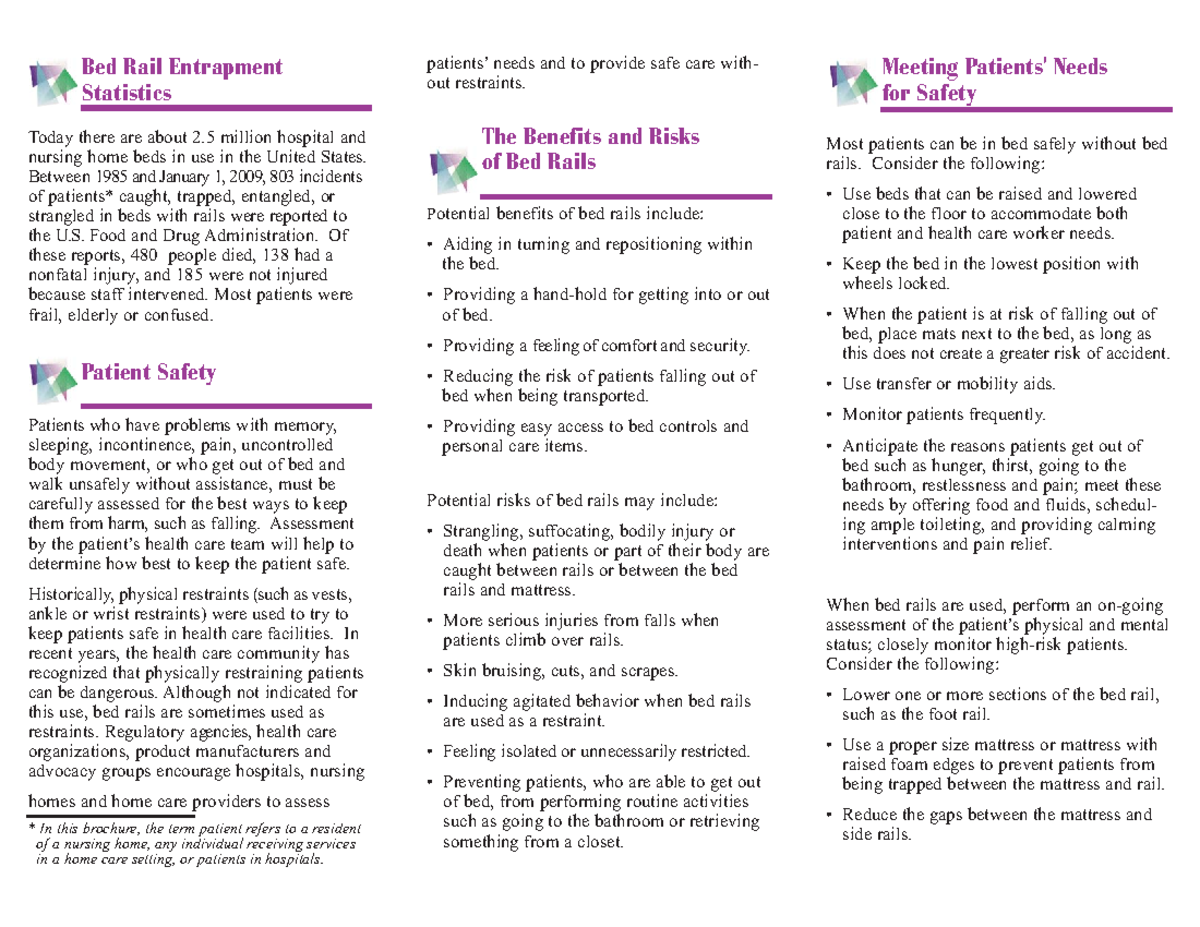
A Guide to Bed Safety Bed Rails in Hospitals Nursing Homes and Home

Stander 30" Home Safety Bed Rail Fall Prevention + Pivots Down Out of

Safety First Secure Top Bed Rail Safe Sleeping Aids Baby Factory
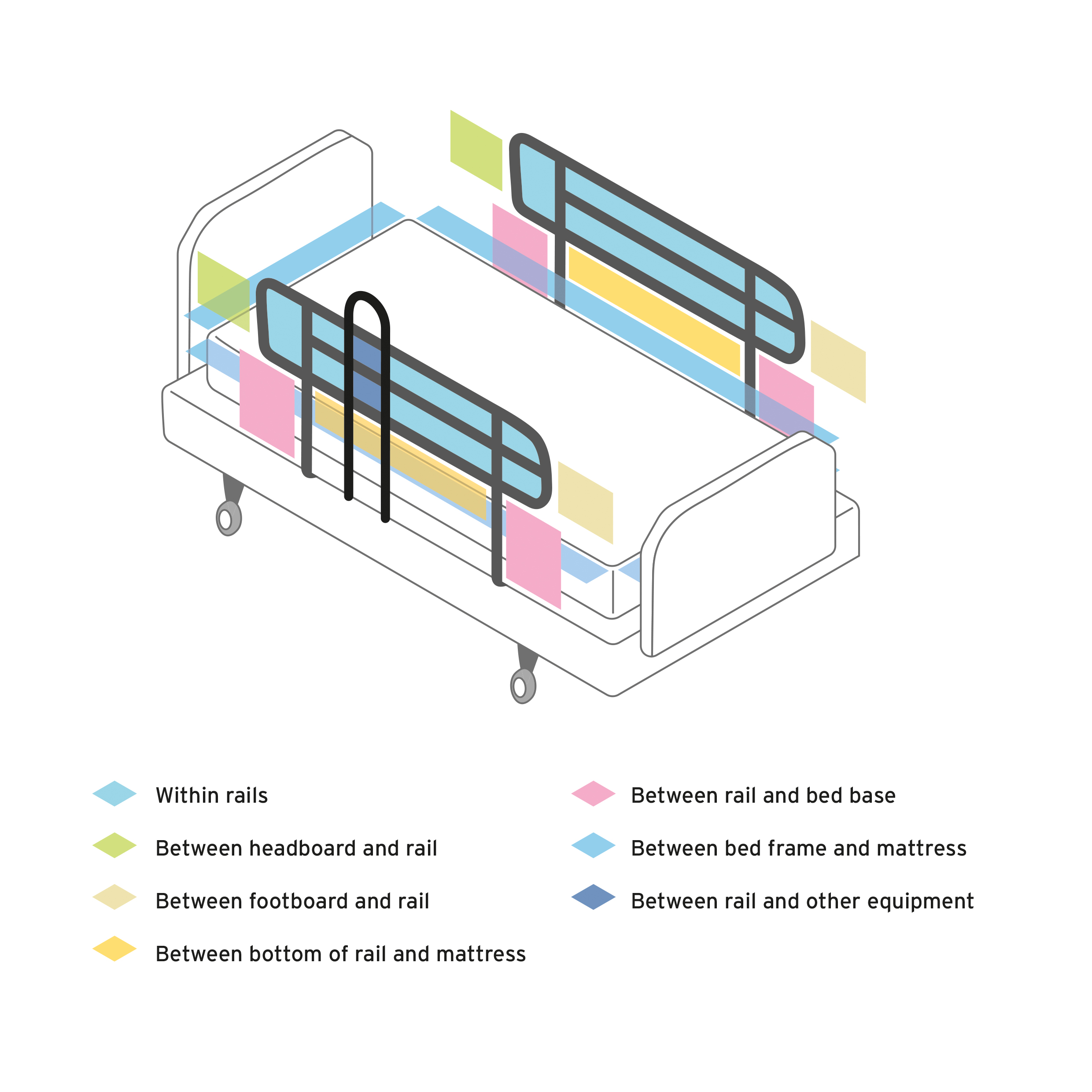
Bed rails management and safe use GOV.UK

Bed Rail Safety Guidelines Hanaposy

Safety Railing For Beds For Seniors at Marilyn Stumpf blog
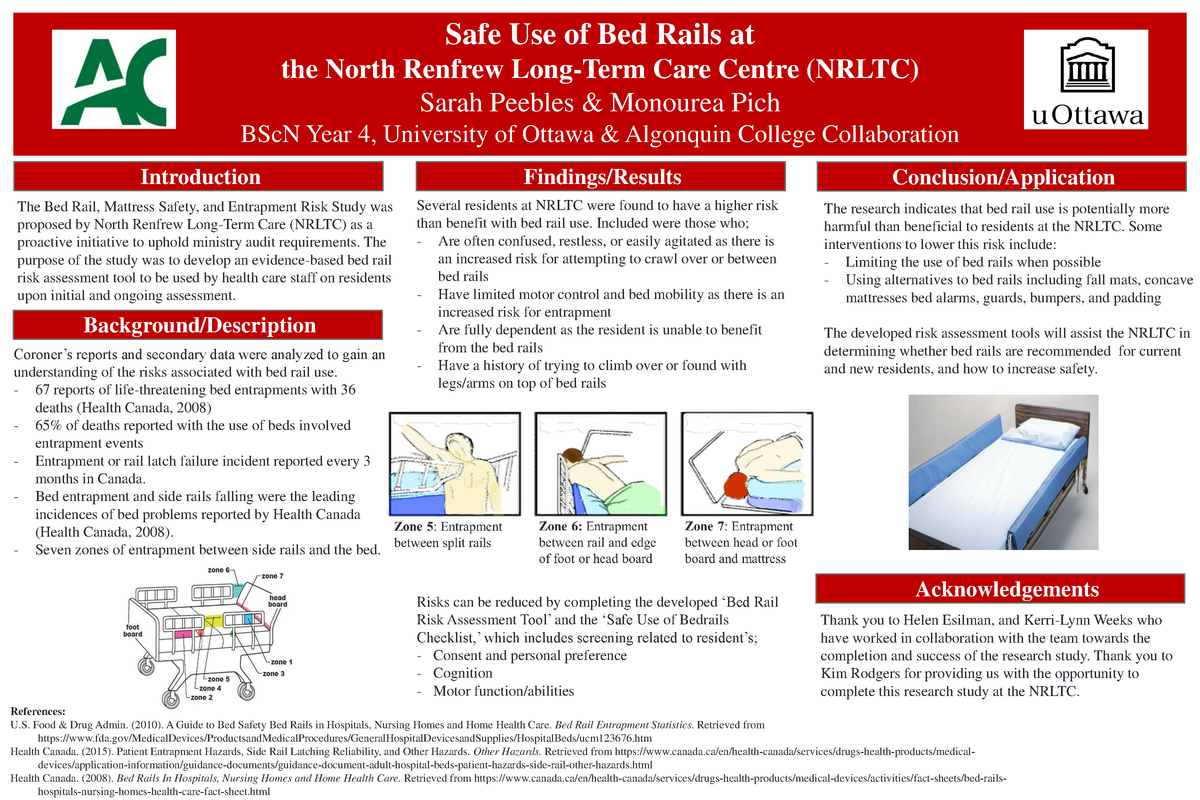
Poster on bedrail risk assessment Safe Use of Bed Rails at the North

Bed Rail Regulations Your Guide › Harvest Healthcare

3 Ways to Prevent Bed Rail Problems at Nursing Homes Regency Nursing
In 2017, The Us Food & Drug Administration (Fda) Provided A National Guidance Brochure On Bed Rail Use In Hospitals, Nursing Homes, And Home Health Care — Yes, Across The.
However, Their Effectiveness Is Uncertain And Bed Rail Entrapment Can Also Result In Injuries.
Is The Bed Rail Suitable For.
A Guide To Bed Safety:
Related Post: