
How To Copyright A Brochure
How To Copyright A Brochure - If you have commissioned a photograph or graphic. Use rights may have been licensed by your library or reserved under law. If you have put significant work into writing and illustrating your pamphlet, apply for a copyright to prevent other companies from reusing your words and pictures. Who holds the copyright is not always easy to ascertain, but there are some general rules of thumb with which to start: The copyright takes effect the. Copyright office provides a brochure. Copyright pertains to intellectual property that safeguards the ownership rights of original creators or developers of digital or tangible products. Place a copyright notice on. Once you create and copyright a work, you have an exclusive right. Many small business owners who design and publish their own pamphlets may not know where to position copyright information to advise readers that an original work, as an owner's property, is. The copyright takes effect the. To safeguard your publishing brochure designs using copyrights, you can ensure that the content and layout of your brochures are original and creative. Place a copyright notice on. If you have put significant work into writing and illustrating your pamphlet, apply for a copyright to prevent other companies from reusing your words and pictures. If you have commissioned a photograph or graphic. Many small business owners who design and publish their own pamphlets may not know where to position copyright information to advise readers that an original work, as an owner's property, is. This brochure offers you some tips on when works can be used lawfully in your teaching without requesting permission. To safeguard your publishing brochure designs using copyrights, you can ensure that the content and layout of your brochures are original and creative. Understand the difference between a copyright, a patent and a trademark. Copyright office provides a brochure. You can also register your brochure. Practically speaking, as a business owner, you can’t copy or use elements from other brochures in your sales materials, nor can others use your brochure for their own. This brochure offers you some tips on when works can be used lawfully in your teaching without requesting permission. Who holds the copyright is not always. Any printed brochures, instruction manuals, pamphlets, posters, catalogs, or other advertising material can be copyright protected. Use rights may have been licensed by your library or reserved under law. You can also register your brochure. If you have commissioned a photograph or graphic. Many small business owners who design and publish their own pamphlets may not know where to position. Copyright pertains to intellectual property that safeguards the ownership rights of original creators or developers of digital or tangible products. To safeguard your publishing brochure designs using copyrights, you can ensure that the content and layout of your brochures are original and creative. Any other original script that is used for. Business materials such as brochures, product flyers, catalogs, product. Once you create and copyright a work, you have an exclusive right. Business materials such as brochures, product flyers, catalogs, product photographs and reports are protected by copyright. Use rights may have been licensed by your library or reserved under law. You can also register your brochure. To safeguard your publishing brochure designs using copyrights, you can ensure that the. Copyright, a form of intellectual property law, protects original works of authorship including literary, dramatic, musical, and artistic works, such as poetry, novels, movies, songs, computer. Copyright protects original works of authorship created by you. To safeguard your publishing brochure designs using copyrights, you can ensure that the content and layout of your brochures are original and creative. Copyright pertains. Many small business owners who design and publish their own pamphlets may not know where to position copyright information to advise readers that an original work, as an owner's property, is. You can also register your brochure. This brochure offers you some tips on when works can be used lawfully in your teaching without requesting permission. Practically speaking, as a. Understand the difference between a copyright, a patent and a trademark. If you have commissioned a photograph or graphic. Who holds the copyright is not always easy to ascertain, but there are some general rules of thumb with which to start: Business materials such as brochures, product flyers, catalogs, product photographs and reports are protected by copyright. Practically speaking, as. Copyright office provides a brochure. If you have commissioned a photograph or graphic. Copyright protects original works of authorship created by you. Understand the difference between a copyright, a patent and a trademark. If you have put significant work into writing and illustrating your pamphlet, apply for a copyright to prevent other companies from reusing your words and pictures. Place a copyright notice on. Practically speaking, as a business owner, you can’t copy or use elements from other brochures in your sales materials, nor can others use your brochure for their own. Any printed brochures, instruction manuals, pamphlets, posters, catalogs, or other advertising material can be copyright protected. Copyright office provides a brochure. Understand the difference between a copyright,. Many small business owners who design and publish their own pamphlets may not know where to position copyright information to advise readers that an original work, as an owner's property, is. The copyright takes effect the. You can also register your brochure. To safeguard your publishing brochure designs using copyrights, you can ensure that the content and layout of your. Any printed brochures, instruction manuals, pamphlets, posters, catalogs, or other advertising material can be copyright protected. To safeguard your publishing brochure designs using copyrights, you can ensure that the content and layout of your brochures are original and creative. Use rights may have been licensed by your library or reserved under law. Copyright office provides a brochure. If you have commissioned a photograph or graphic. Any other original script that is used for. This brochure offers you some tips on when works can be used lawfully in your teaching without requesting permission. Once you create and copyright a work, you have an exclusive right. Practically speaking, as a business owner, you can’t copy or use elements from other brochures in your sales materials, nor can others use your brochure for their own. You can also register your brochure. To safeguard your publishing brochure designs using copyrights, you can ensure that the content and layout of your brochures are original and creative. Copyright protects original works of authorship created by you. Business materials such as brochures, product flyers, catalogs, product photographs and reports are protected by copyright. The copyright takes effect the. Copyright pertains to intellectual property that safeguards the ownership rights of original creators or developers of digital or tangible products. Many small business owners who design and publish their own pamphlets may not know where to position copyright information to advise readers that an original work, as an owner's property, is.
Copyright Brochure Mitchell Gardner's Website

6 Key Tips for Writing a Marketing Brochure That Doesn't Suck

Copyright law brochure template Stock Vector Image & Art Alamy

Copyright Brochure Fair Use by Jessica Schmitz issuu
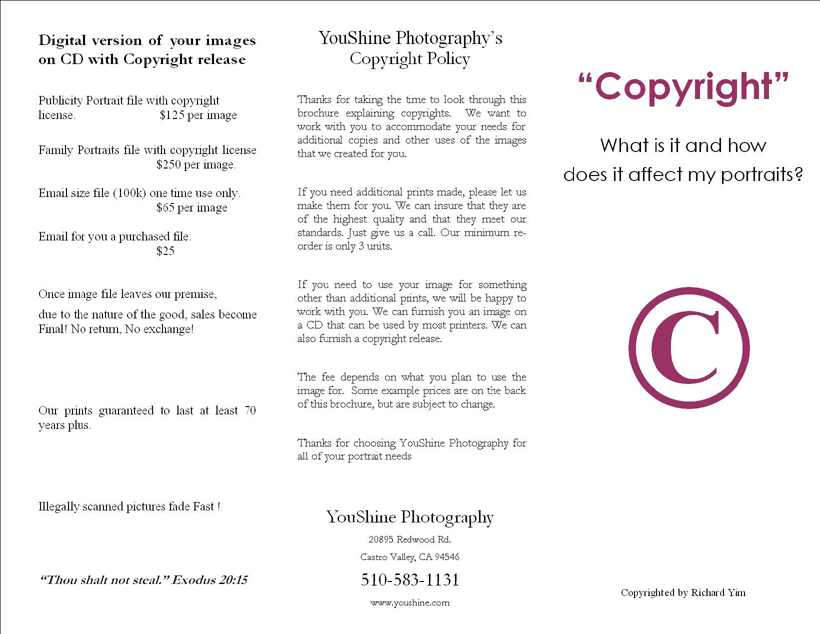
All About Copyright Licensing, Protecting Artist's Livelihood...
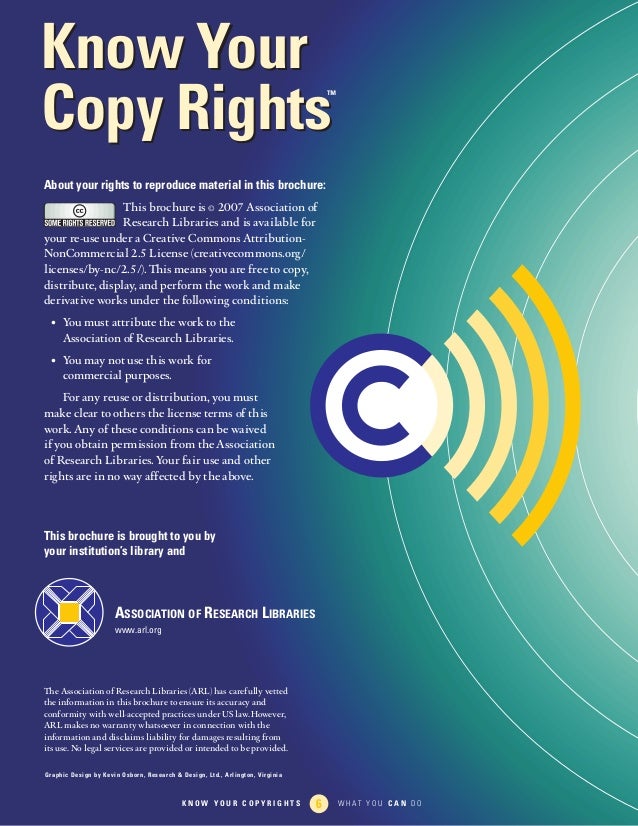
Copyright brochure
![Book Copyright Page 2024 [+Examples] by a Lawyer](https://cdn-ackhb.nitrocdn.com/YTibXMIwXCUkXtfHFnkSuEHUqRRKKBBW/assets/images/optimized/rev-2d8e5bc/kindlepreneur.com/wp-content/uploads/2021/05/ebook-print-copyright.jpg)
Book Copyright Page 2024 [+Examples] by a Lawyer

Copyright Brochure Matt Levy designs
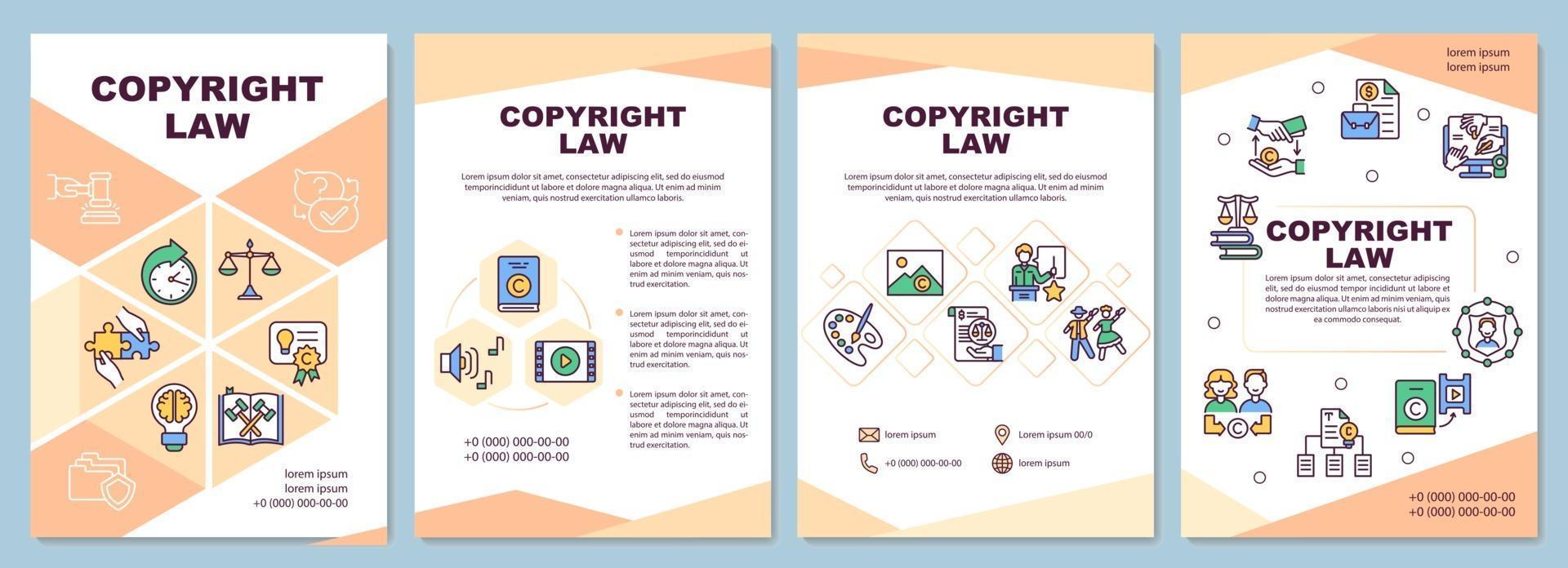
Copyright law brochure template 2389661 Vector Art at Vecteezy
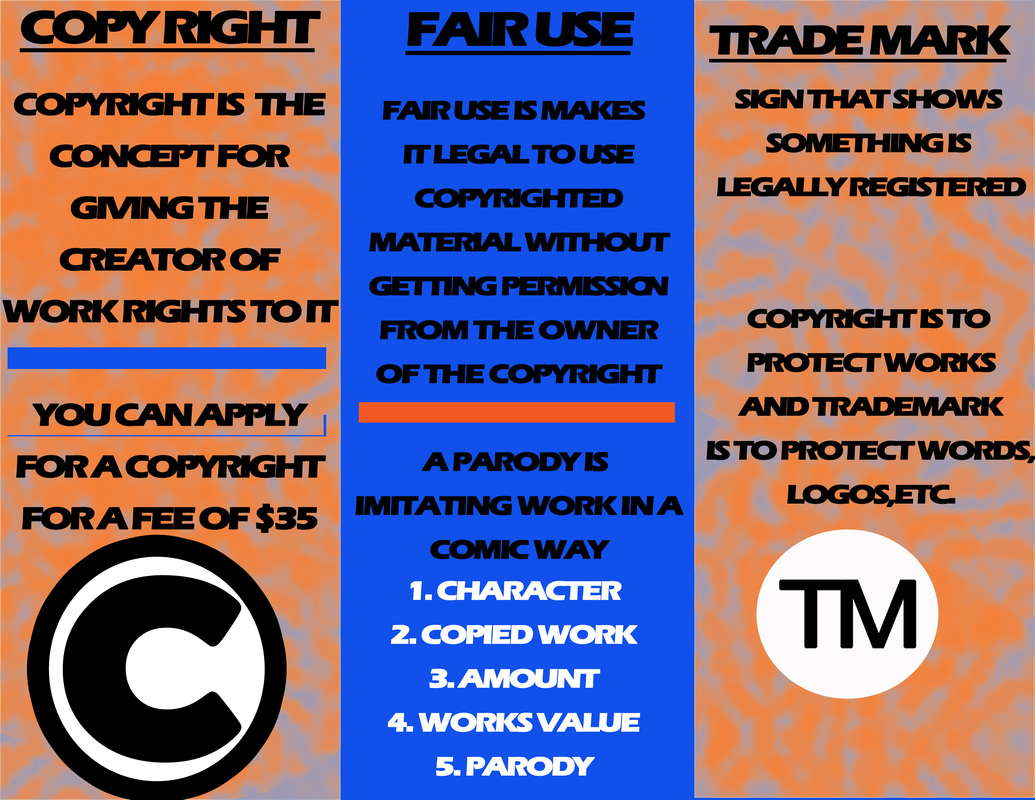
Copy Right Brochure Portfolio
Who Holds The Copyright Is Not Always Easy To Ascertain, But There Are Some General Rules Of Thumb With Which To Start:
If You Have Put Significant Work Into Writing And Illustrating Your Pamphlet, Apply For A Copyright To Prevent Other Companies From Reusing Your Words And Pictures.
Understand The Difference Between A Copyright, A Patent And A Trademark.
Copyright, A Form Of Intellectual Property Law, Protects Original Works Of Authorship Including Literary, Dramatic, Musical, And Artistic Works, Such As Poetry, Novels, Movies, Songs, Computer.
Related Post: