
Paper For Brochures
Paper For Brochures - Join us as we delve into the features of the best brochure paper and discover how to choose the ideal option that aligns with your vision, budget, and branding strategy. Everything you need to know to choose paper for your printed brochure. Flimsy paper doesn't seem professional, but you don't want to go too thick either. Most people prefer to use text paper as their paper of choice for brochures and flyers, as text paper is a thicker, sturdier form of cardstock. Read on to determine what paper, weight, and finish are best for you! Learn which paper weight to choose and whether a gloss, matte or uncoated paper is the best choice. However, a comprehensive understanding of paper weight, finish, and brochure size is essential to find the right paper for your brochure. The thickness of the paper is known as paper density. The types of paper for printing your brochure are also. Choosing the right paper, from coated and offset. Read on to determine what paper, weight, and finish are best for you! Learn which paper weight to choose and whether a gloss, matte or uncoated paper is the best choice. Join us as we delve into the features of the best brochure paper and discover how to choose the ideal option that aligns with your vision, budget, and branding strategy. At jam paper, three popular paper sizes are perfect for brochure creation: When you talk about brochure paper, you’re really talking about two things: Typically, there are two types available. Dive into our comprehensive guide, exploring paper types, finishes, and weights. Flimsy paper doesn't seem professional, but you don't want to go too thick either. Each of these sizes offers different benefits and constraints, making it. You will want something durable and premium. Choosing the right paper for your brochure is essential as it. Generally, paper for brochures should be between 130 and 200 gsm, which is between copier paper and card stock. Join us as we delve into the features of the best brochure paper and discover how to choose the ideal option that aligns with your vision, budget, and branding strategy.. As we explored, paper type directly. Each of these sizes offers different benefits and constraints, making it. Generally, paper for brochures should be between 130 and 200 gsm, which is between copier paper and card stock. It can run as low as 50 lbs (regular. In this article, i will guide you through the process of selecting the perfect paper. When you talk about brochure paper, you’re really talking about two things: Read on to determine what paper, weight, and finish are best for you! The types of paper for printing your brochure are also. Choosing the right paper for your brochure is essential as it. By considering factors like weight, finish, and sustainability, you can craft brochures. In this article, i will guide you through the process of selecting the perfect paper for your brochure printing needs. The thickness of the paper is known as paper density. Read on to determine what paper, weight, and finish are best for you! Follow this guide to learn the best practices for picking out the best paper for your brochure.. Choosing the right paper is essential to create brochures that leave a lasting impact. You will want something durable and premium. The types of paper for printing your brochure are also. Most brochures are excellent informational and marketing tools, but only when the finished product. As we explored, paper type directly. When you talk about brochure paper, you’re really talking about two things: The thickness of the paper is known as paper density. Flimsy paper doesn't seem professional, but you don't want to go too thick either. Each of these sizes offers different benefits and constraints, making it. Follow this guide to learn the best practices for picking out the best. When you talk about brochure paper, you’re really talking about two things: The thickness of the paper is known as paper density. Everything you need to know to choose paper for your printed brochure. Generally, paper for brochures should be between 130 and 200 gsm, which is between copier paper and card stock. At jam paper, three popular paper sizes. Most people prefer to use text paper as their paper of choice for brochures and flyers, as text paper is a thicker, sturdier form of cardstock. Everything you need to know to choose paper for your printed brochure. Read on to determine what paper, weight, and finish are best for you! By considering factors like weight, finish, and sustainability, you. Dive into our comprehensive guide, exploring paper types, finishes, and weights. Before selecting a paper type, consider the purpose of your print. When you talk about brochure paper, you’re really talking about two things: Each of these sizes offers different benefits and constraints, making it. Typically, there are two types available. It can run as low as 50 lbs (regular. Choosing the right paper is essential to create brochures that leave a lasting impact. The right paper can make or break the success of your printed marketing campaign. Before selecting a paper type, consider the purpose of your print. To choose the best type of paper for printing your project, consider. If you’re wondering about the best type of paper for brochures, the easy answer is that most brochures will look and feel good when they’re printed on 100 lb silk text. By considering factors like weight, finish, and sustainability, you can craft brochures. Choosing the right paper for your brochure is essential as it. Follow this guide to learn the best practices for picking out the best paper for your brochure. Typically, there are two types available. To choose the best type of paper for printing your project, consider factors like finish, thickness and cardstock paper weight. According to our 30 years and counting of professional experience in the offset printing industry, we know that most brochures work best when printed on paper no lighter. Dive into our comprehensive guide, exploring paper types, finishes, and weights. At jam paper, three popular paper sizes are perfect for brochure creation: You will want something durable and premium. Generally, paper for brochures should be between 130 and 200 gsm, which is between copier paper and card stock. The right paper can make or break the success of your printed marketing campaign. Choosing the right paper is essential to create brochures that leave a lasting impact. Before selecting a paper type, consider the purpose of your print. Most people prefer to use text paper as their paper of choice for brochures and flyers, as text paper is a thicker, sturdier form of cardstock. Choosing the right paper, from coated and offset.
How to Choose the Right Paper for Brochure Printing EZ Print
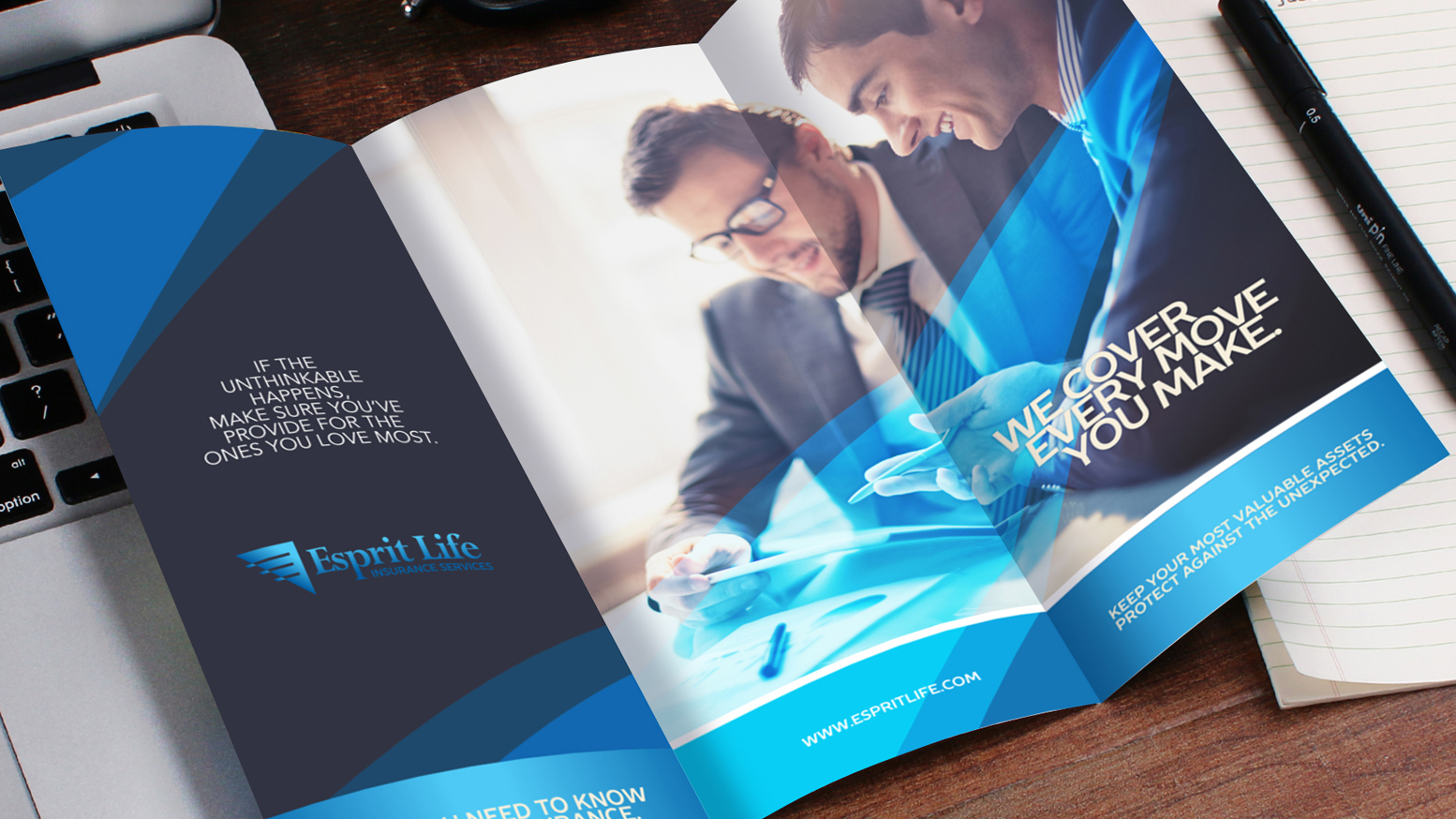
The Ultimate Brochure Paper Guide Confusing Terms Explained
What Type of Brochure Paper Should I Use? CMYK PH
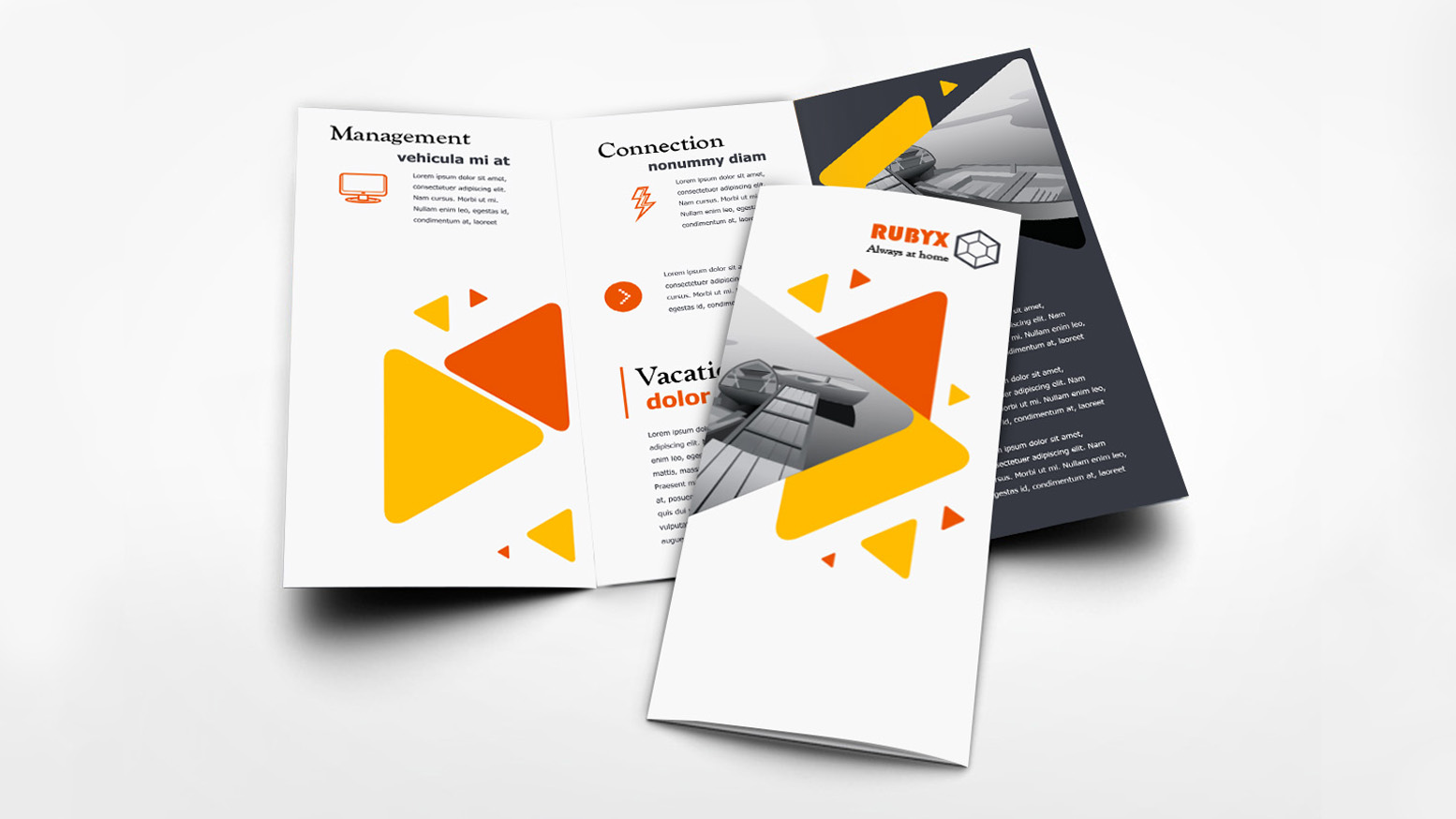
The Ultimate Brochure Paper Guide Confusing Terms Explained

Office Depot Professional Brochure And Flyer Paper, Glossy
TriFold Brochure Paper 100Pack Trifold Pamphlet Flyer Paper for
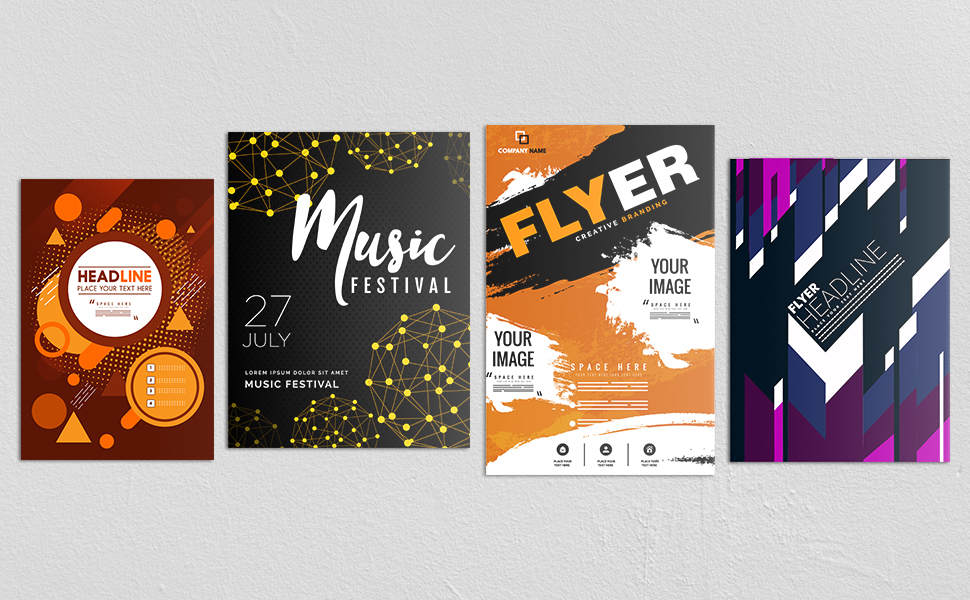
Best Paper For Flyers and Brochures Fine Cardstock

What Is The Best Type Of Paper For Brochure Printing

How to Choose the Best Paper for Brochures Paper Folder Pro 2
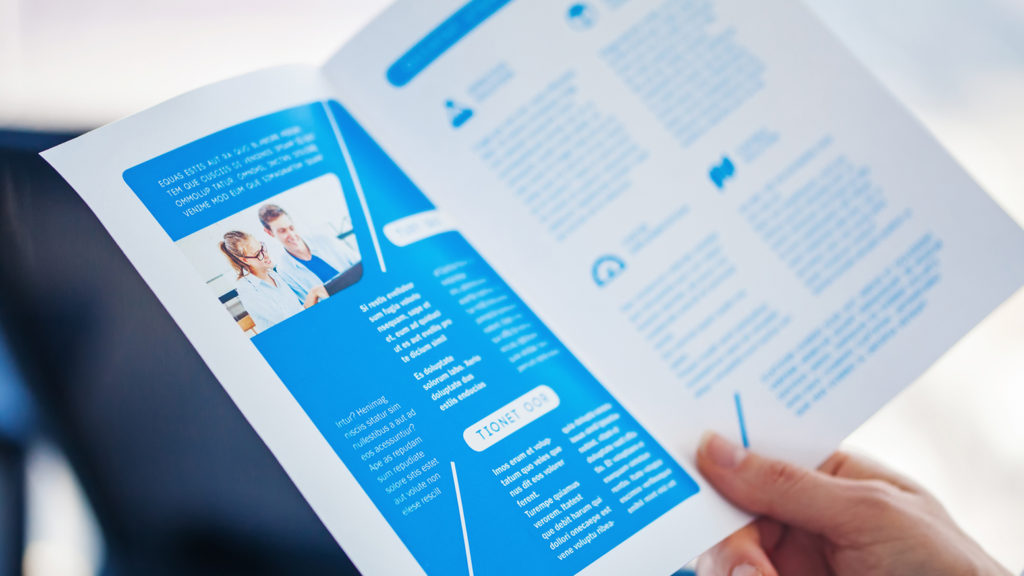
The Ultimate Brochure Paper Guide Confusing Terms Explained
Everything You Need To Know To Choose Paper For Your Printed Brochure.
When You Talk About Brochure Paper, You’re Really Talking About Two Things:
It Can Run As Low As 50 Lbs (Regular.
As We Explored, Paper Type Directly.
Related Post: