
What Paper Is Used For Brochures
What Paper Is Used For Brochures - From text weight paper to glossy finishes, you truly have an endless amount of options. To better understand which type will fit your needs, look at some of the most common examples below. Before selecting a paper type, consider the purpose of your print. There are several types of paper that you can use when printing a brochure. 90 gsm is a typical paper for. Dive into our comprehensive guide, exploring paper types, finishes, and weights. Luckily for you, we have a list of the best paper weights to use. Learn which paper weight to choose and whether a gloss, matte or uncoated paper is the best choice. It can run as low as 50 lbs (regular. Brochure design is the art of creating printed or digital pamphlets used to inform or promote products, services, or events. Follow this guide to learn the best practices for picking out the best paper for your brochure. Discover the art of choosing the perfect paper for brochure printing! To better understand which type will fit your needs, look at some of the most common examples below. The paper is thin and so effective for lots of pages which are low cost and don't need to last long. There are several types of paper that you can use when printing a brochure. You can also use 80 lb or 100 lb. Brochures, sell sheets, maps, menus and flyers can all benefit from using the right paper for the job. The thickness of the paper is known as paper density. Or ) as a way of identifying. A luxury hotel brochure may require thick, glossy paper, while an educational handout can use. What is the best type of paper to use for brochures? To better understand which type will fit your needs, look at some of the most common examples below. What kind of paper to use for brochures? You can also use 80 lb or 100 lb. Factors to consider when choosing brochure paper. Everything you need to know to choose paper for your printed brochure. There are two main types of paper weight for brochures: If you’re wondering about the best type of paper for brochures, the easy answer is that most brochures will look and feel good when. Brochures, sell sheets, maps, menus and flyers can all benefit from using the right. You will want something durable and premium. Luckily for you, we have a list of the best paper weights to use. It can run as low as 50 lbs (regular. Paper stock is thinner than card stocks and uses pound (lb. The paper is thin and so effective for lots of pages which are low cost and don't need to. Paper stock is thinner than card stocks and uses pound (lb. To better understand which type will fit your needs, look at some of the most common examples below. Generally, paper for brochures should be between 130 and 200 gsm, which is between copier paper and card stock. It comes in 150 sheets per. If you’re wondering about the best. Choosing the best paper for printing brochures depends on your specific needs, including the brochure's purpose, desired aesthetics, and budget. Generally, paper for brochures should be between 130 and 200 gsm, which is between copier paper and card stock. Typically, there are two types available. The paper is thin and so effective for lots of pages which are low cost. Generally, paper for brochures should be between 130 and 200 gsm, which is between copier paper and card stock. Paper stock is thinner than card stocks and uses pound (lb. Factors to consider when choosing brochure paper. Luckily for you, we have a list of the best paper weights to use. There are two main types of paper weight for. Dive into our comprehensive guide, exploring paper types, finishes, and weights. Brochure design is the art of creating printed or digital pamphlets used to inform or promote products, services, or events. Most people prefer to use text paper as their paper of choice for brochures and flyers, as text paper is a thicker, sturdier form of cardstock. You'll learn everything. When you're creating an online marketing campaign, there's so. You will want something durable and premium. It combines layout, imagery, and typography to engage. Generally, paper for brochures should be between 130 and 200 gsm, which is between copier paper and card stock. Learn which paper weight to choose and whether a gloss, matte or uncoated paper is the best. There are two main types of paper weight for brochures: Most people prefer to use text paper as their paper of choice for brochures and flyers, as text paper is a thicker, sturdier form of cardstock. Check out this article on how to choose the best paper for brochures. Whether you opt for glossy,. Follow this guide to learn the. We aim to explain the complex choices in brochure printing, guiding you through the factors that influence paper. Paper stock is thinner than card stocks and uses pound (lb. Most people prefer to use text paper as their paper of choice for brochures and flyers, as text paper is a thicker, sturdier form of cardstock. To better understand which type. Which paper you use for your brochures has an impact on design, weight, the overall quality of the finished product and the most significant aspect: Brochure design is the art of creating printed or digital pamphlets used to inform or promote products, services, or events. Everything you need to know to choose paper for your printed brochure. When you're creating an online marketing campaign, there's so. You will want something durable and premium. Paper stock and card stock. Follow this guide to learn the best practices for picking out the best paper for your brochure. If you’re wondering about the best type of paper for brochures, the easy answer is that most brochures will look and feel good when. A luxury hotel brochure may require thick, glossy paper, while an educational handout can use. There are several types of paper that you can use when printing a brochure. To better understand which type will fit your needs, look at some of the most common examples below. It combines layout, imagery, and typography to engage. What is the best type of paper to use for brochures? Check out this article on how to choose the best paper for brochures. The thickness of the paper is known as paper density. Dive into our comprehensive guide, exploring paper types, finishes, and weights.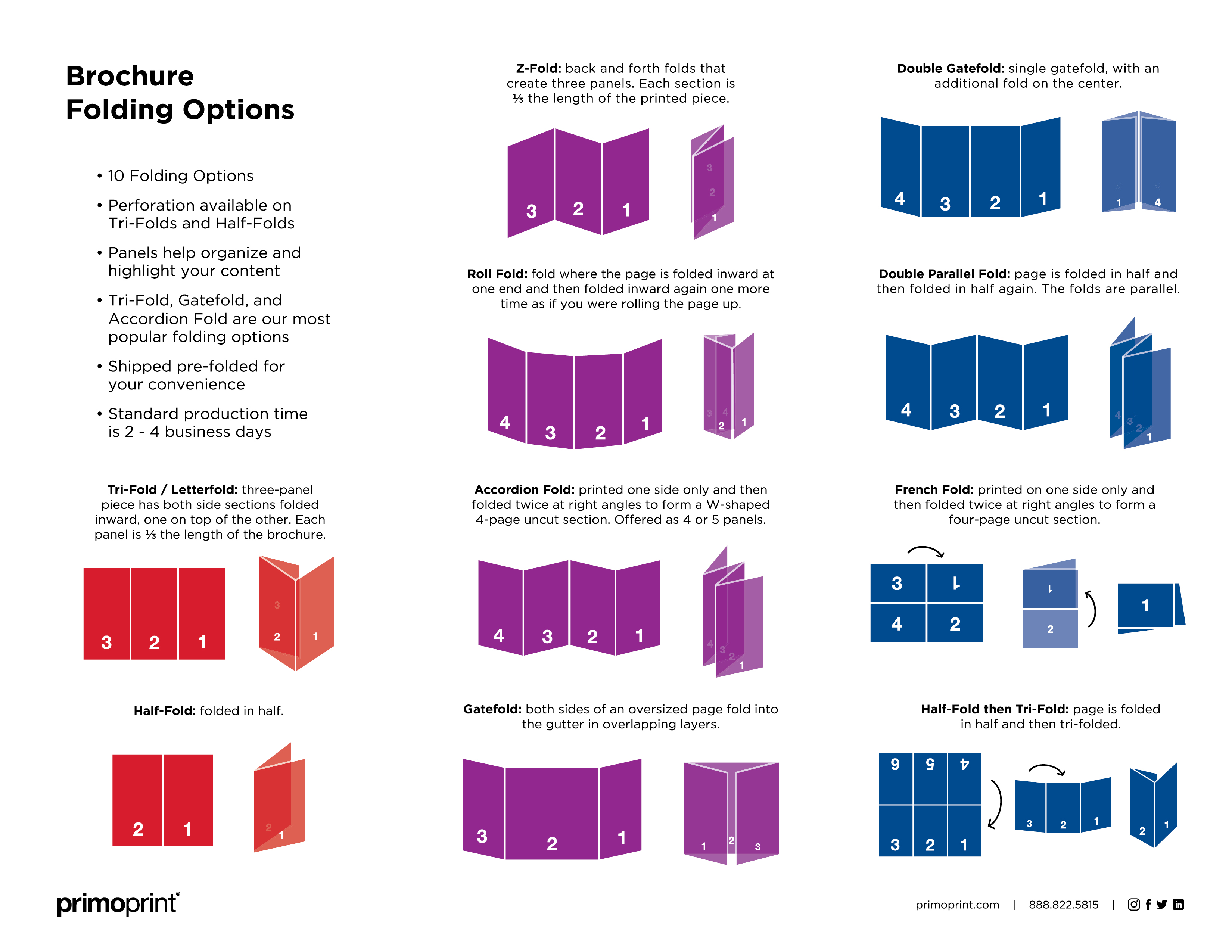
The Complete List of Brochure Folds Primoprint Blog
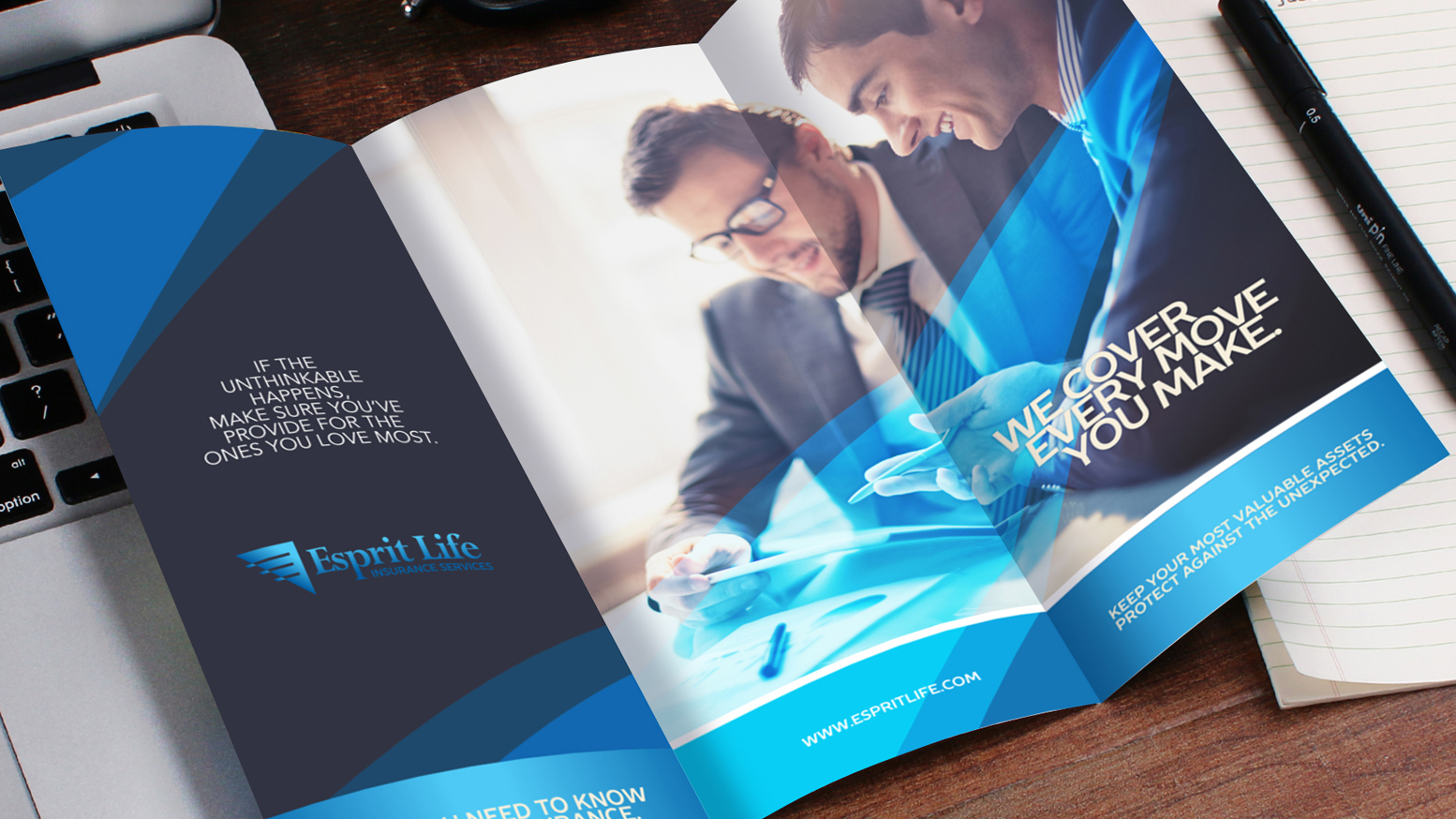
The Ultimate Brochure Paper Guide Confusing Terms Explained
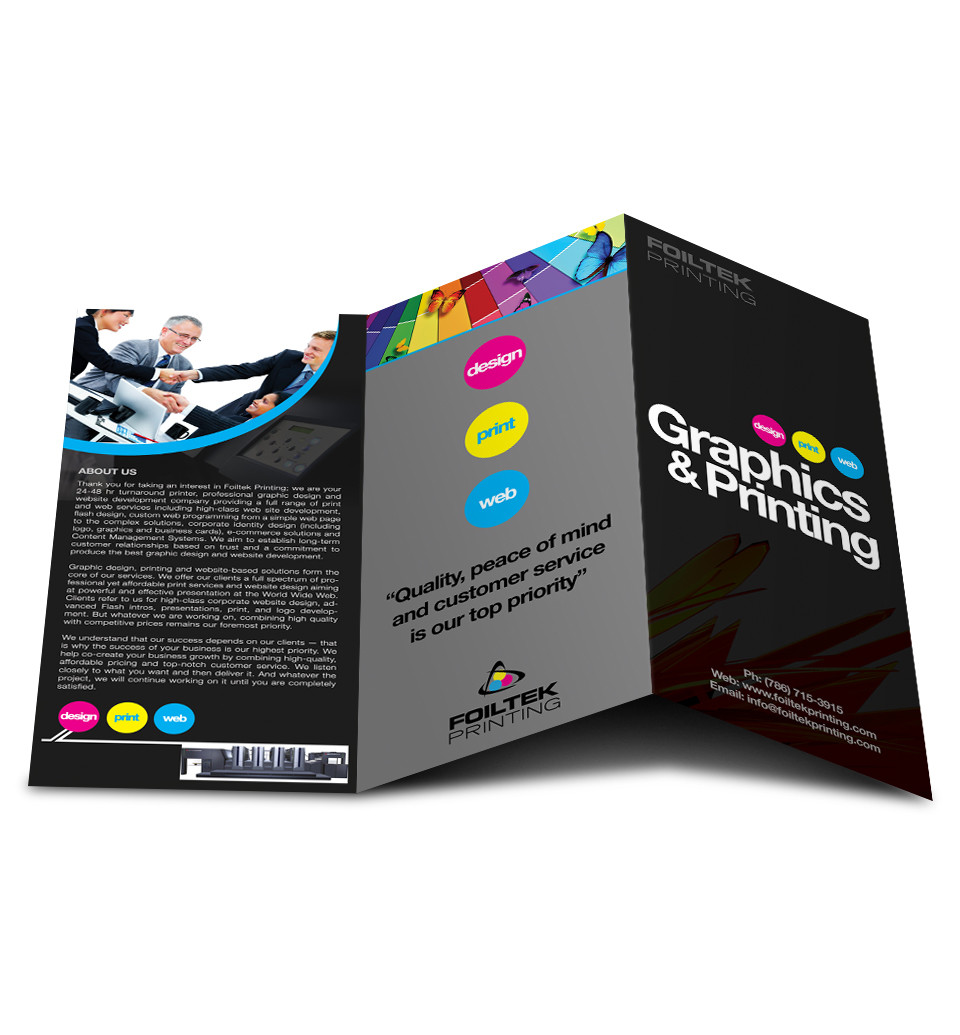
Tri Fold Brochures Full Color Brochures Cheap Brochure Printing

What Is The Best Type Of Paper For Brochure Printing
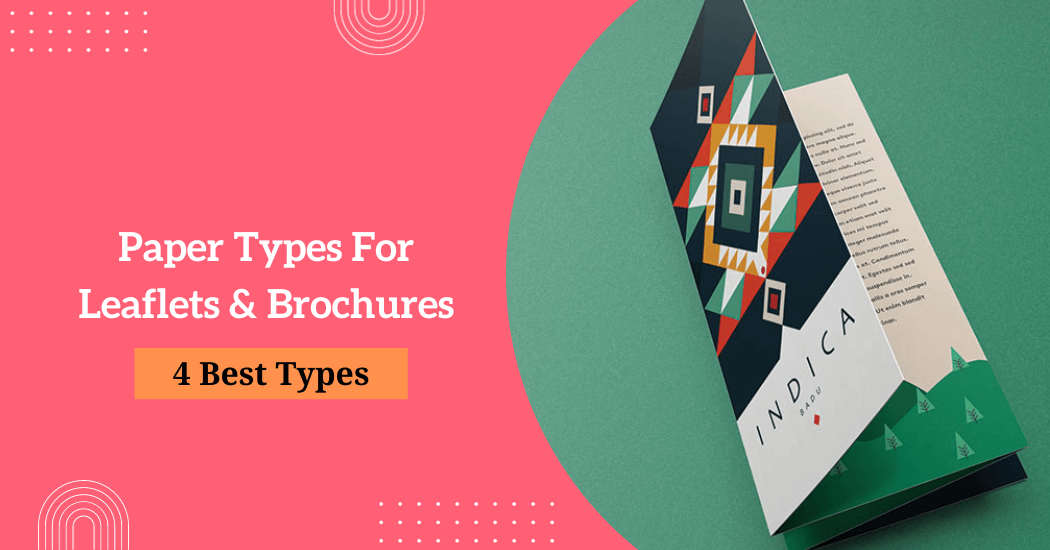
What Paper Is Used For Brochures & Leaflets? Glossy To Eco
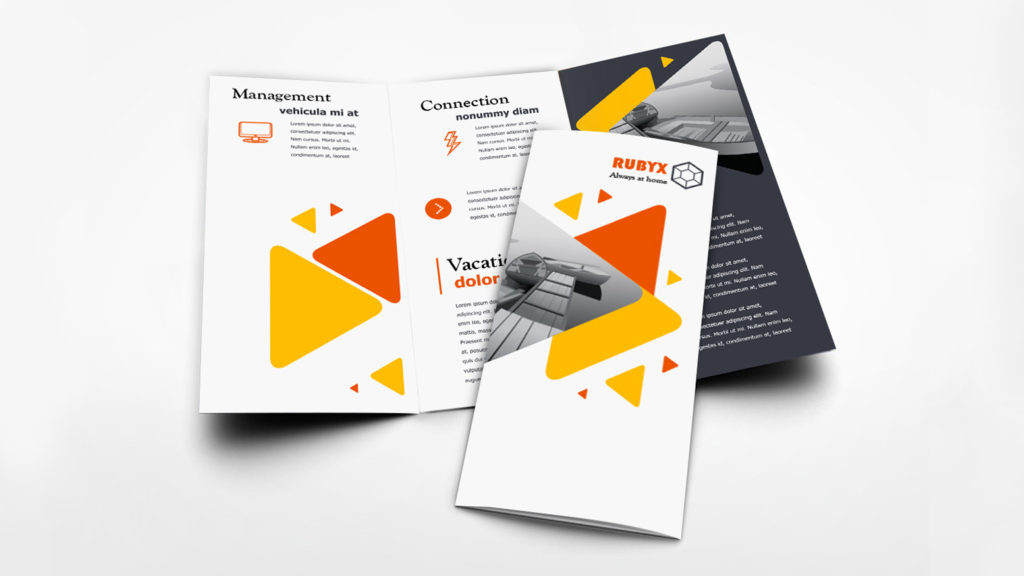
The Ultimate Brochure Paper Guide Confusing Terms Explained

Best Paper For Flyers and Brochures Fine Cardstock

How to Design a Brochure for Marketing Venngage

How to Choose the Right Paper for Brochure Printing EZ Print
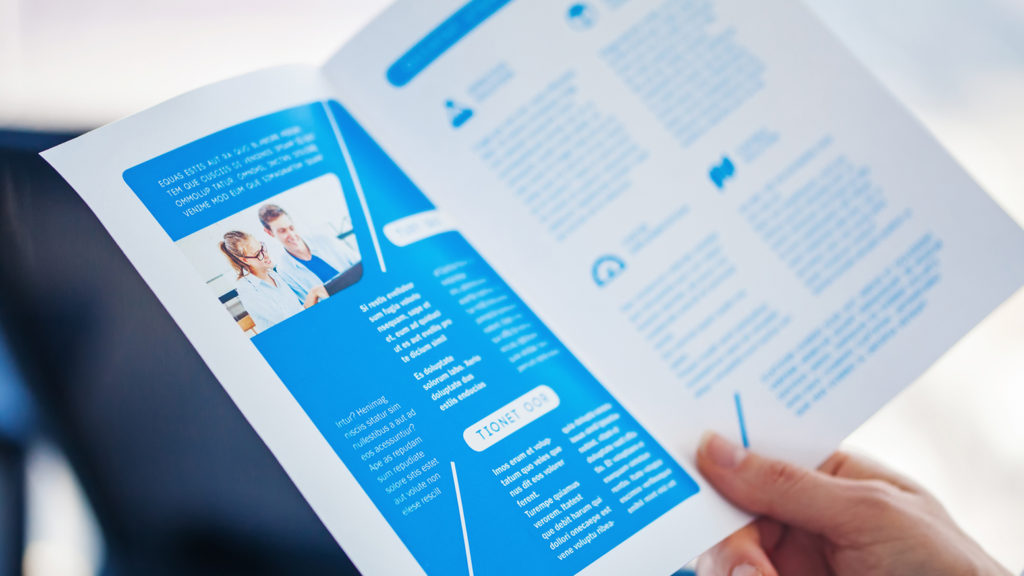
The Ultimate Brochure Paper Guide Confusing Terms Explained
Most People Prefer To Use Text Paper As Their Paper Of Choice For Brochures And Flyers, As Text Paper Is A Thicker, Sturdier Form Of Cardstock.
You'll Learn Everything You Need To Know.
Brochures, Sell Sheets, Maps, Menus And Flyers Can All Benefit From Using The Right Paper For The Job.
Coated Paper Is One Of The Most Popular Choices For Business Printing, Especially For Marketing Materials Like Brochures And Flyers.
Related Post: